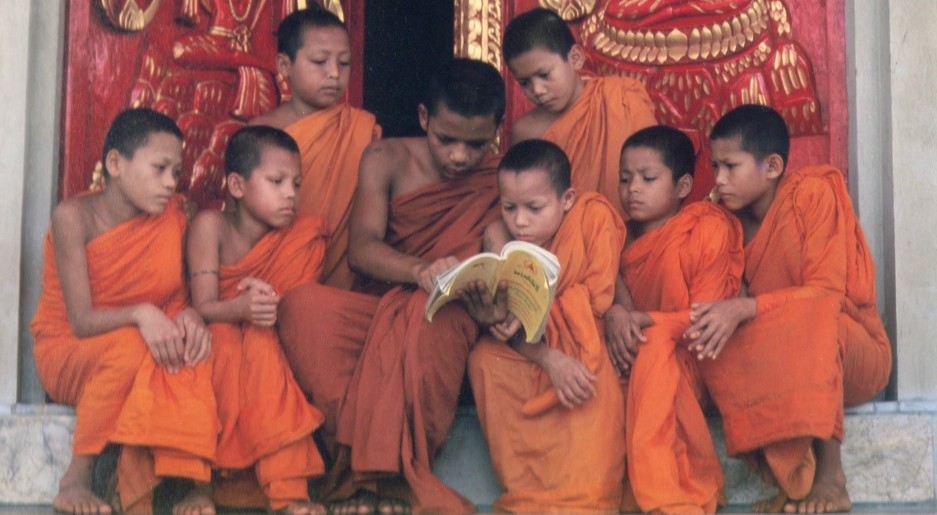
 When I was a young girl, I loved bridges. My small village in Vietnam was crisscrossed by rivers and streams, and bridges allowed me to cross over to the other side. Of course, they were primitive bridges. Most of the bridges were long trees that were placed from one side of the river to the other side; or ropes that were tied to one strong tree on one side connecting to another tree on the other side. These bridges were not built with metal or concrete, but they were strong enough for me to cross over to the other side each morning and return in the early evening.
Here in America, bridges are much bigger, stronger, and more magnificent. Sometimes they are so tall they give me chills as I drive my car on them. It does not matter where I live, I still think bridges represent something magical and beautiful. Bridges symbolize unity, continuation, and hope. I feel a connection and find these traits when reading Wright’s The Other Side of the Bridge. Wright stated the exact sentiment on page 316 “ …the bridge of magic, the bridge of hope…”
The Golden Gate Bridge is the center. On the east side, Wright placed Dave Riley as a desperate executive searching for hope after an accident took his family away. On the west side, Wright crafted Katie Connelly, a young and hopeless research intern finding magic to move forward with life after the death of her father and betrayal of her fiancé. You would think these two would fall in love and live happily.
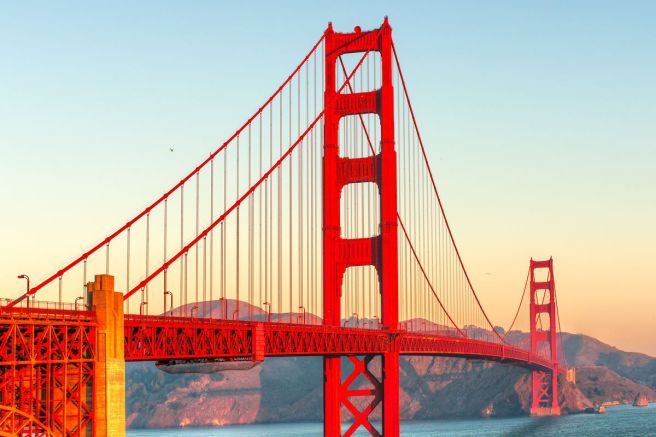 Well, maybe in another version, on a different bridge. This is why Wright’s clever craftmanship takes me by surprise. They both found what they were hoping for by racing through the bridge, but not the way I expected. Half-way through the book, I found myself screaming at Wright: “When are you going to let them meet?” They met alright. But briefly. Unrecognizable like two ships passing through the moonless night on the San Francisco Bay. As I read through the pages, I was hoping for a longer chapter so these two star-crossed people could dig deeper into their connection. However, bridges do not run on forever.
Wright did not focus on despair, lost, hope, or love. He retold realism. Take the Vietnam Memorial for example. I lived in the suburban near Washington D.C. and every chance we get, we would go to D.C. and of course, my favorite site is the Vietnam Memorial. Looking at it from a distance, it is just a wall, concrete, hard, tall. But as I walked closer to it, and run my fingers on it, it is no longer a wall, but sentiments, lost lives, unsung heroes. Emotions would swell inside me. There is magic there at that Memorial. Wright described the exact sentiment in the voice of Redd and Dave. I wonder how many times he had been there and feel the wall.
In our lives, there are walls that separated us. Then there are bridges that connected us. I invite you to read The Other Side of The Bridge and find those connections.


 Literary Circles