I got bad news.
My nephew quit school. He was a year away from his Bachelor’s degree in Computer Engineering. Last week, when all of his friends were excitedly coming back to their Senior year, he decided to drop out and work full time at a Coffee shop instead.
His decision was a big shock to my sister, who left everything in our country to immigrate to the United States so that my nephew could get a better education, a college degree. She was hoping for a degree in law or medicine, but engineering would be fine, too.
Her dream was shattered.
She turned to me who is an educator by training and who always touted that education could truly free us. I called my nephews early in the morning before the early morning coffee rush takes over his time.
“I don’t see why I should get my degree. I don’t really learn anything in my classes. All day long my professors talk and talk. I barely stay awake in class, and after three years I don’t remember anything. And what am I to do with a degree? I see all my friends who have already graduated ended up working in Fast Food restaurants or Starbucks with their BS. I am just getting a head start.”
Is that true? All we do is lecture? And lecture? I went back to the college where I taught and watched the video I recorded earlier in the spring semester for staff reflection. To my dismay, I found that during 2.5 hours of class time, I spoke for the total of 1 hour and 47 minutes. The other 43 minutes consisted of 10 minutes break, and 20 minutes independent work. My students rarely had the experience to share their thoughts, work with fellow students, and speak out!
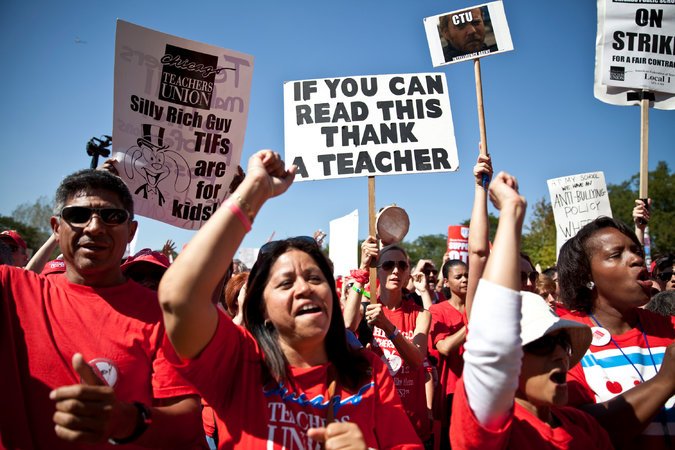
Yes. I agreed. I was a pretty bad instructor. But wait before you judge me, walk to any classroom and observe first. Sadly, traditional classroom lecture, professor talks-students listen, is the trend you see mostly in any educational institutions.
“We don’t teach like that!” said Dennis Grimsley when I shared with him about the current teaching methodology while I was drinking coffee at the local Starbuck. It was a chance encounter that opened my eyes to a new possibility that might impact educators like myself.

Dennis Grimsley is a cofounder of Point3 Security and one of the creators of ESCALATE, the most anticipated and hyped software in cybersecurity world that will be released in November of 2017.
I was a little apprehensive. What does a computer expert know about teaching methodology?
Turned out, he knows a lot.
“When designing ESCALATE, we moved away from college cramming and pouring information to students. We provide real-life challenges. We mentor them, but they have to develop goals and strategies by themselves.”
“Like Kolb’s learning theory, ESCALATE provides experience-based learning that is meaningful to the students. Students are actively engaged. They will struggle through the challenges in the program. But they have time and opportunities to discover and create the answers. They observe, reflect, and acquire the learning. ”
I noticed he used “acquire.”
“Because when you struggle and have hands-on, experiential learning, the knowledge you gained will stay with you. With traditional classroom learning, you remember the contents for the test, then you forget everything the day after.”
It did not take an expert in education to know why our education system is failing. It did not take an expert in education to provide a solution.
Interesting enough, it took a computer engineer! Maybe we should hire a cybersecurity engineer to run the U.S. Department of Education!
Why?
Because the learning model, like the experiential-based model that ESCALATE modeled after, involves the students as a whole: the cognitive, affective, and physical are stimulated.
Because the challenges offer real-life experiences and different ways to solve them. There is no one correct answer.
Because the challenges offer a long lasting impact. Students retain the knowledge after years of leaving the program because what they acquired is personal, relevant, and practical.
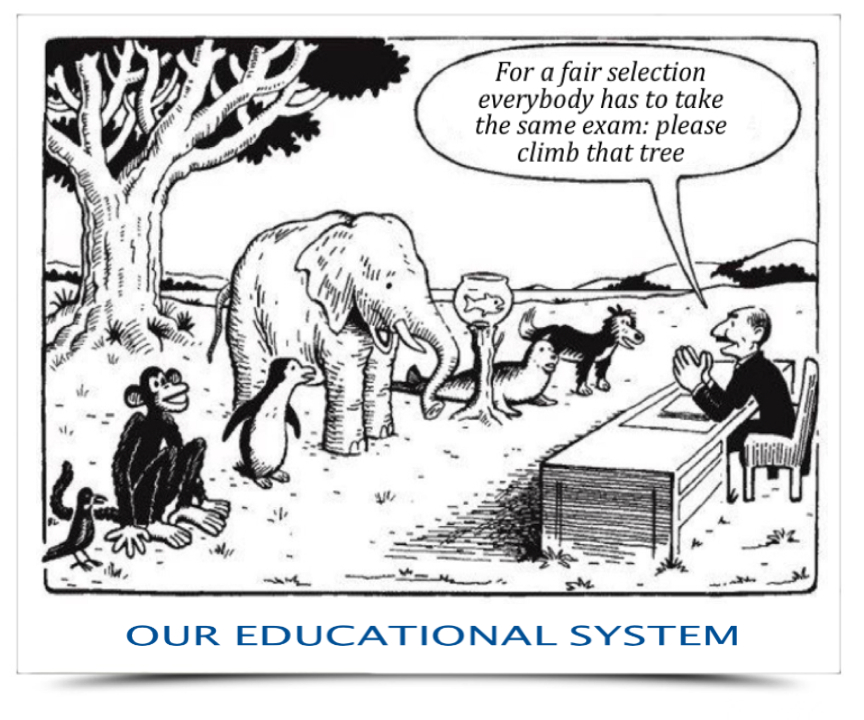
Aren’t these the ultimate goals of our education? But our educational system is failing because the teachers, like myself, are trained in traditional teaching method. We lecture on and on, while our students are disinterested and lost.
Until we change our teaching methodology, we will not be able to produce talented graduates. There will be many who quit school because they find no purpose in it.
Today, I reflect upon my teaching styles and embark on the experiential learning that ESCALATE modeled after.
And yes. I do think ESCALATE can impact the way teachers teach and students learn. I look forward to the launch of this software and see if it can take education into the Cyberspace.


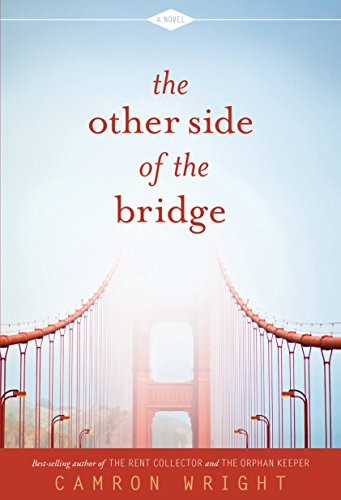 When I was a young girl, I loved bridges. My small village in Vietnam was crisscrossed by rivers and streams, and bridges allowed me to cross over to the other side. Of course, they were primitive bridges. Most of the bridges were long trees that were placed from one side of the river to the other side; or ropes that were tied to one strong tree on one side connecting to another tree on the other side. These bridges were not built with metal or concrete, but they were strong enough for me to cross over to the other side each morning and return in the early evening.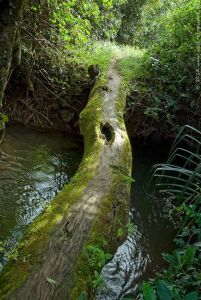
 Well, maybe in another version, on a different bridge. This is why Wright’s clever craftmanship takes me by surprise. They both found what they were hoping for by racing through the bridge, but not the way I expected. Half-way through the book, I found myself screaming at Wright: “When are you going to let them meet?” They met alright. But briefly. Unrecognizable like two ships passing through the moonless night on the San Francisco Bay. As I read through the pages, I was hoping for a longer chapter so these two star-crossed people could dig deeper into their connection. However, bridges do not run on forever.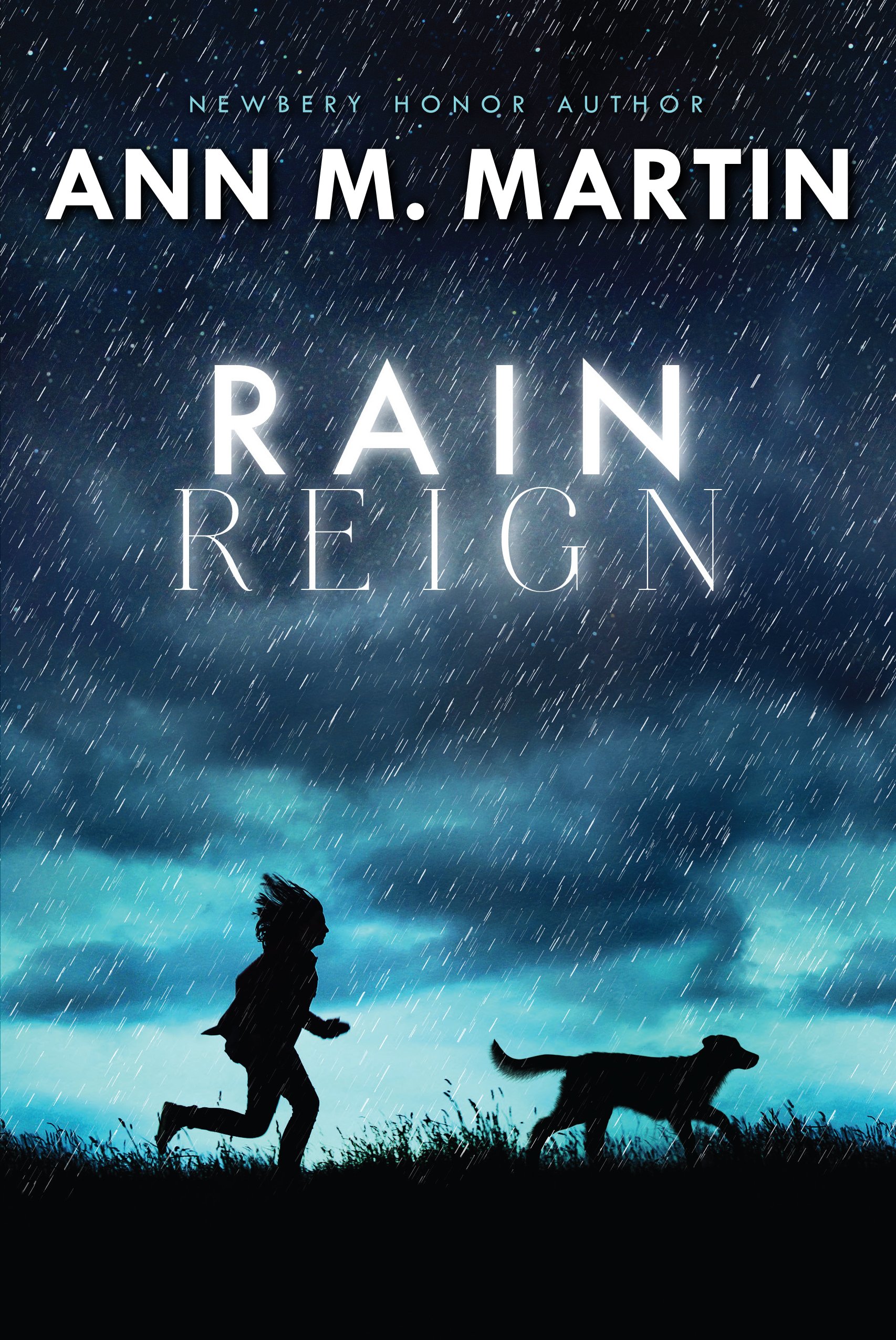


 BY Dr. G.H. Reavis
 Literary Circles